
 EN
EN
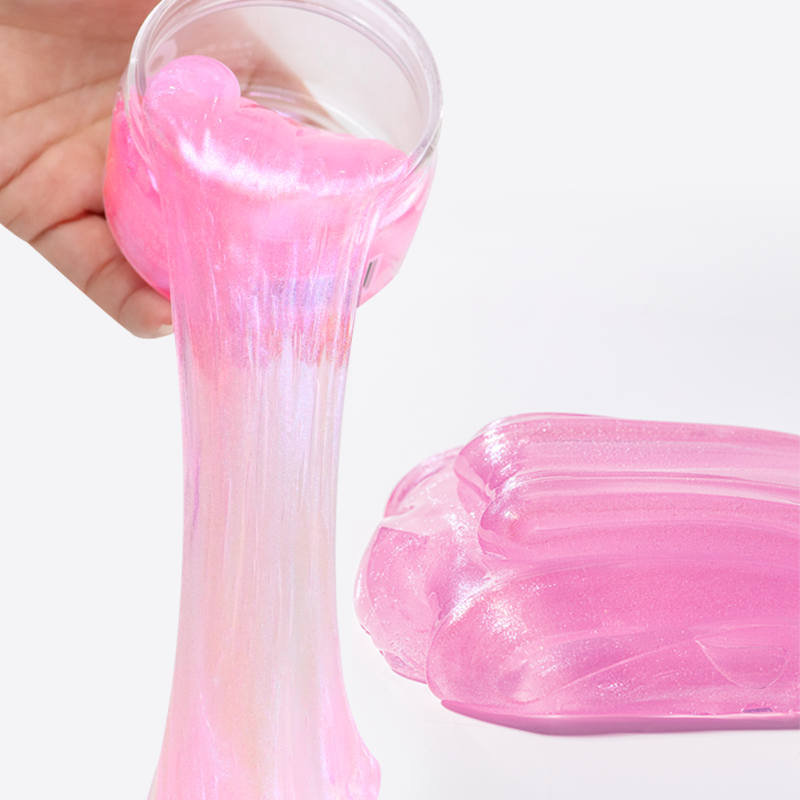
Why Glow in the Dark Slime Enhances Nighttime Sensory Development
Neuroscience of Low-Light Tactile Play: Calming Effects and Visual-Tactile Integration
Playing with glow in the dark slime when lights are low actually works different parts of the brain that help kids regulate their emotions and process information better. When little hands squish and stretch this stuff, it cuts down on stress hormones like cortisol by around 25 percent according to some studies from APA back in 2022. That's why many parents find it helps calm kids down right before bedtime. The glowing effect isn't just cool looking either it gets those eyes working hard too while fingers get busy feeling all sorts of textures, temperatures, and pressures at once. This combination strengthens how our brains connect what we see with what we touch, which is super important for things like paying attention and planning movements properly. A recent study published in Pediatrics showed pretty impressive results too. Kids who played regularly with these glowing materials saw real improvements in this area, with nearly four out of five making progress over time. Plus, all this sensory action boosts body awareness and helps figure out where things are in space even when visibility is limited.
Imaginative Storytelling with Glow in the Dark Slime: From Magic Potions to Space Slime Adventures
When slime glows on its own, it becomes something special for storytelling. Kids just pick up on this instinctively. The swirling lights turn into stardust for space adventures, quick flashes mean magic potions are ready, and when the light starts to fade, they know the spell is wearing off. This kind of play helps kids think about sequences, understand symbols, and express feelings while acting out different roles. A recent study in Child Development Journal found that around two thirds of parents noticed their children playing imaginatively for longer periods when glowing materials were part of the mix. Parents say these glowing effects keep kids curious and engaged as they interpret what each changing light means during playtime.
Safe, Non-Toxic Glow in the Dark Slime Recipe for Kids
Kid-Safe Ingredient Guide: Saline Solution, Baking Soda, and Glow-Infused PVA Glue (Borax-Free)
The recipe we're talking about here is borax free but still works great. What makes it work? Three simple stuffs that are easy to find and not harmful at all. First up is regular old PVA glue from schools, the kind that has that ASTM D-4236 label on it. Then there's baking soda to thicken things out nicely. And finally some contact lens solution with just a tiny bit of sodium borate in it to get everything going. Want something that glows? Either grab that special phosphorescent PVA glue already mixed or sprinkle in some glow powder made with zinc or strontium aluminate. But please skip those bright colored dyes from craft stores since nobody knows if they're actually safe. Check each ingredient for that ASTM D-4236 marking before using them. That little sticker means they've passed tests for long term safety when used as art materials in the US.
How Glow Activation Works: Phosphorescent Pigments vs. Fluorescent Additives Under Blacklight
The way something glows isn't just about how bright it looks at first glance but rather what kind of chemicals are involved in the pigments themselves. Take phosphorescent materials for example. These special pigments soak up regular light from anywhere around them like lamps or sunlight during the day. They actually hold onto this energy inside and then slowly release it over time, creating that gentle afterglow we see when everything goes dark. This effect can last anywhere between three to eight hours depending on conditions. On the flip side, fluorescent additives work differently altogether. They need constant exposure to ultraviolet light, usually coming from those specialized blacklights people sometimes use for parties or inspections. Once that UV source disappears, these additives stop glowing completely without any residual light remaining.
| Property | Phosphorescent Pigments | Fluorescent Additives |
|---|---|---|
| Energy Source | Ambient light (sun/lamp) | UV blacklight |
| Glow Duration | 3–8 hours after charging | Immediate off without UV |
| Best For | Bedtime sensory play | Controlled UV environments |
For nighttime use, phosphorescent options are ideal: they require no electricity, eliminate UV exposure concerns, and support sustained, self-directed exploration. High-quality pigments use non-toxic zinc sulfide or strontium aluminate compounds—verified in independent lab testing per CPSC guidelines.
Step-by-Step Glow in the Dark Slime Preparation & Troubleshooting
The 5-Minute Mix Method: Achieving Perfect Stretch, Shine, and Glow Intensity
Start by mixing 120ml of white school glue with half a teaspoon of baking soda in a bowl. Give it a good stir until everything is mixed together and starts looking a bit foamy. Now slowly pour in 1 to 2 tablespoons of contact lens solution while continuing to stir. At this point, ditch the spoon and get your hands involved - make sure they're clean first! The mixture will start getting thicker as you work it. Don't forget to mix in those glow powders right from the beginning rather than adding them later on top. Wait around 90 seconds and test the slime by stretching it out gently to about 15 centimeters without it breaking apart. For best glowing results, put the slime under a bright lamp like an LED desk light for about ten minutes before playing with it. Keep leftovers in something tightly sealed so they stay moist and retain their glow power, definitely avoid leaving them in direct sun though.
Common Pitfalls—Too Sticky, Too Brittle, or Dim Glow—and How to Fix Them
Texture and luminosity issues almost always trace back to precise ratios or material quality—not technique. Use this targeted guide:
| Issue | Primary Cause | Solution | Prevention Tip |
|---|---|---|---|
| Too Sticky | Insufficient activator | Add saline solution in ½-teaspoon increments, kneading thoroughly between additions | Pre-dissolve baking soda in saline before adding to glue |
| Too Brittle | Excess baking soda | Knead in 1 tsp unscented lotion or distilled water | Use calibrated measuring spoons—not kitchen teaspoons |
| Dim Glow | Low-purity phosphors | Blend in ¼ tsp high-grade zinc sulfide glow powder | Choose pigments labeled “non-toxic, ASTM F963-compliant” |
| Weak Charge | Inadequate light exposure | Recharge under bright LED light for 15 minutes | Avoid opaque or dark-colored storage containers |
Always test adjustments in small batches. Quality phosphorescent pigments retain full luminosity for over 100 charge cycles—if glow fades rapidly, check expiration dates or verify pigment certification through the manufacturer's safety data sheet.
FAQs
Why is glow in the dark slime popular for nighttime play?
Glow in the dark slime is popular for nighttime play because it engages various senses, helps reduce stress hormones, and provides a captivating visual experience that enhances sensory and spatial awareness.
Can I create glow in the dark slime without using borax?
Yes, you can create glow in the dark slime without borax by using saline solution, baking soda, and phosphorescent PVA glue or glow powder.
How can I troubleshoot common issues with my glow in the dark slime?
Common issues such as stickiness, brittleness, or dim glow can be fixed using specific adjustments like adding saline solution for stickiness, unscented lotion for brittleness, or high-grade glow powder for enhancing luminosity.
Table of Contents
- Why Glow in the Dark Slime Enhances Nighttime Sensory Development
- Safe, Non-Toxic Glow in the Dark Slime Recipe for Kids
-
Step-by-Step Glow in the Dark Slime Preparation & Troubleshooting
- The 5-Minute Mix Method: Achieving Perfect Stretch, Shine, and Glow Intensity
- Common Pitfalls—Too Sticky, Too Brittle, or Dim Glow—and How to Fix Them
- FAQs
- Why is glow in the dark slime popular for nighttime play?
- Can I create glow in the dark slime without using borax?
- How can I troubleshoot common issues with my glow in the dark slime?